1. Professional Teeth Whitening in Dubai
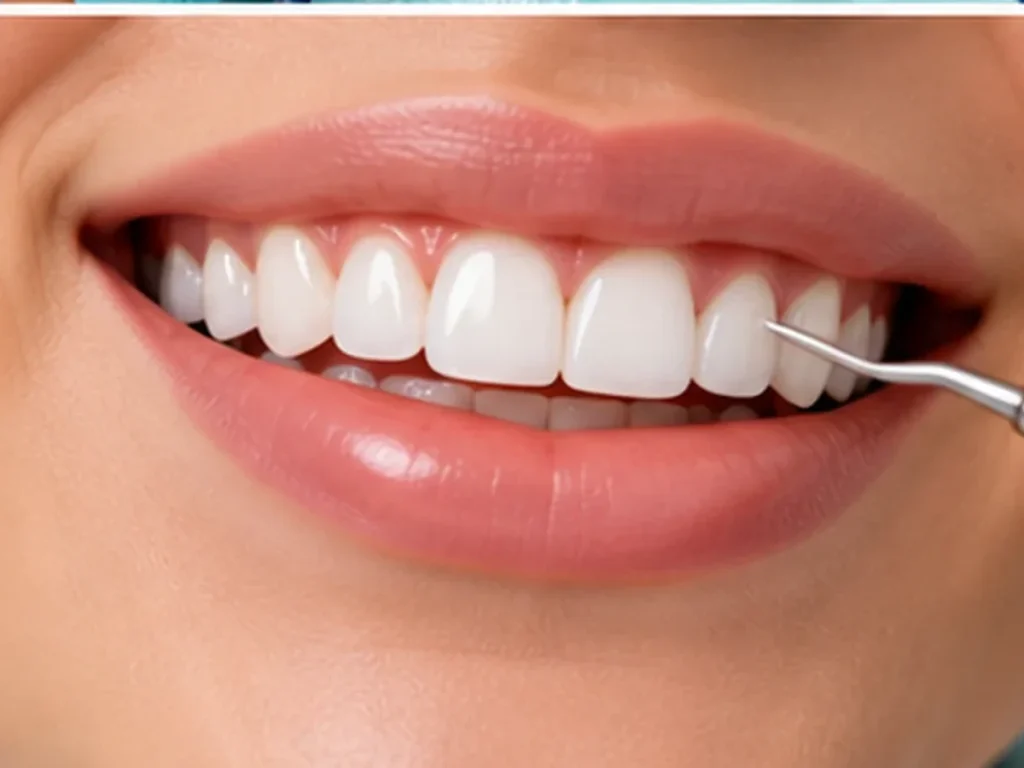
Professional teeth whitening is a dental procedure designed to lighten the natural colour of teeth using specially formulated whitening agents. It may be considered when teeth have become darker or stained over time. Before treatment, the dentist evaluates oral health, existing restorations and possible causes of discolouration. Whitening does not change the colour of crowns, veneers or fillings, and results vary between individuals. Temporary sensitivity or gum irritation may occur. A professional assessment helps determine whether whitening is suitable and what degree of colour change may be realistic.
2. In-Office Teeth Whitening in Dubai
In-office teeth whitening is performed in a dental setting under professional supervision. The dentist assesses the teeth and gums before applying a whitening product according to the chosen clinical protocol. This approach allows the procedure to be monitored and adjusted when necessary. The final shade depends on the original tooth colour, the nature of any staining and individual response. Whitening may cause temporary sensitivity, and it does not alter the colour of existing restorations. Patients should understand the expected benefits and limitations before treatment.
3. At-Home Teeth Whitening in Dubai
At-home teeth whitening involves using a whitening system outside the dental clinic, often with custom-made trays and products supplied according to professional instructions. Treatment usually takes place over a prescribed period rather than during a single appointment. The dentist first evaluates the teeth, gums and suitability of the procedure. Patients must follow the recommended application schedule and avoid excessive use. Temporary sensitivity can occur, while crowns and fillings retain their original colour. Professional guidance helps patients distinguish supervised whitening from unsuitable or potentially harmful products.
4. Intrinsic Tooth Discolouration in Dubai
Intrinsic tooth discolouration refers to changes in tooth colour originating within the enamel or dentine rather than from deposits on the surface. Possible causes include dental trauma, developmental conditions, certain medications and changes affecting the tooth’s internal tissues. Its appearance and response to treatment vary according to the underlying cause. Some cases may respond to whitening, while others require different aesthetic approaches. A dentist must first identify the reason for the colour change, particularly when only one tooth becomes darker, before recommending an appropriate procedure.
5. Extrinsic Tooth Staining in Dubai
Extrinsic tooth staining affects the outer surfaces of teeth and is commonly associated with pigments from foods, beverages or tobacco. Stains may accumulate within surface deposits or on areas that are difficult to clean. Professional cleaning can remove some external discolouration, but it does not necessarily change the underlying natural tooth shade. The dentist evaluates whether the concern involves surface staining or a deeper colour change before recommending hygiene treatment or whitening. Maintaining effective oral hygiene and reviewing dietary habits may help reduce the recurrence of certain stains.
6. Dental Veneers in Dubai
Dental veneers are thin restorations attached to the visible surfaces of teeth to modify aspects of their appearance, such as colour, shape or proportions. They may be made from ceramic or composite materials, with different preparation and maintenance requirements. Veneers are not suitable for every patient, particularly when significant dental disease or bite problems are present. Some techniques involve removing a small amount of natural tooth structure. Before treatment, the dentist evaluates oral health, enamel availability, aesthetic objectives and how the restorations will function during biting and chewing.
7. Porcelain Veneers in Dubai
Porcelain veneers are thin ceramic restorations manufactured to cover the front surfaces of selected teeth. Their optical properties can be used to reproduce aspects of natural enamel, including translucency and colour variation. Treatment requires assessment of tooth structure, gum health, bite relationships and the patient’s expectations. Depending on the case, some enamel preparation may be necessary, making certain changes irreversible. Porcelain veneers can fracture or become damaged and require appropriate maintenance. Their suitability and longevity depend on several factors, including clinical planning and daily habits.
8. Composite Veneers in Dubai
Composite veneers use tooth-coloured resin material to modify the visible surfaces of teeth. The material may be applied and shaped directly in the mouth, allowing the dentist to adjust contours and appearance. Composite restorations can be considered for selected concerns involving tooth shape, small spaces or surface imperfections. Their suitability depends on oral health and bite conditions. Compared with ceramic restorations, composite materials may be more susceptible to staining and wear. Regular maintenance and occasional repairs or polishing may be necessary to preserve their appearance.
9. No-Prep Veneers in Dubai
No-prep veneers are restorations designed to be placed with little or no removal of natural enamel in carefully selected cases. The term does not describe a universally suitable technique, because tooth position, size and available space determine whether additional material can be accommodated. Even when enamel reduction is unnecessary, the dentist must assess bite relationships, gum contours and the final tooth proportions. Adding material to unsuitable teeth may create excessive bulk or hygiene difficulties. Treatment planning therefore focuses on achieving appropriate contours while preserving oral function.
10. Digital Smile Design in Dubai
Digital smile design is a planning approach that uses photographs, digital records and visual simulations to explore possible changes to a patient’s smile. It can support communication about tooth proportions, alignment and aesthetic preferences before treatment begins. A simulation is a planning aid rather than a guarantee of the final appearance. Clinical feasibility depends on dental health, tooth structure, bite relationships and the procedures being considered. The dentist must distinguish between what can be illustrated digitally and what can realistically be achieved through treatment.
11. Smile Mock-Up in Dubai
A smile mock-up is a temporary visual representation of proposed changes to the shape, size or arrangement of teeth. It may be created using a diagnostic model, provisional material or another planning method. The purpose is to help patients and dentists discuss aesthetic expectations before definitive treatment. A mock-up can provide useful information about tooth proportions and appearance, but it does not guarantee the final result. Clinical assessment remains necessary to evaluate bite relationships, oral health and whether the proposed changes are achievable.
12. Dental Bonding in Dubai
Dental bonding is a restorative technique that uses tooth-coloured composite resin to repair or modify selected areas of a tooth. It may be considered for minor chips, irregular edges, small gaps or changes in tooth shape. The dentist prepares the surface, applies the material and shapes it to achieve the planned contour. Bonding can sometimes preserve more natural tooth structure than alternative restorative procedures. However, composite may stain, wear or fracture over time. Its suitability depends on the condition of the tooth and the forces affecting it.
13. Enamel Recontouring in Dubai
Enamel recontouring is a conservative procedure that involves carefully modifying small areas of tooth enamel to improve shape or symmetry. It may be considered when minor irregularities affect tooth edges or contours. Because enamel cannot regenerate, the amount removed must be limited and clinically justified. Recontouring cannot correct every aesthetic concern and is unsuitable when significant changes would compromise tooth structure. The dentist evaluates enamel thickness, tooth sensitivity, bite relationships and the desired result before deciding whether the procedure is appropriate.
14. Tooth Shade Matching in Dubai
Tooth shade matching is the process of selecting a colour for dental restorations that harmonises with surrounding natural teeth. Dentists consider brightness, hue, translucency and other optical characteristics rather than relying on a single colour measurement. Lighting conditions, tooth hydration and the material used can influence the final appearance. Shade matching is particularly relevant when planning veneers, crowns or composite restorations. Natural teeth and restorative materials respond differently to whitening, so treatment sequencing may affect the shade selected for definitive restorations.
15. Dental Translucency in Dubai
Dental translucency describes the way light passes through tooth enamel and restorative materials. Natural teeth are not completely opaque, and their appearance depends partly on how light interacts with enamel and dentine. Reproducing these optical properties can be important when designing veneers, crowns or composite restorations. Excessive opacity or translucency may make a restoration look different from neighbouring teeth. The dentist and dental laboratory consider tooth colour, thickness, material properties and lighting when planning an aesthetic result that appears consistent with the surrounding dentition.
16. Gingival Contouring in Dubai
Gingival contouring refers to procedures intended to modify the shape or position of the gum margins around selected teeth. It may be considered when uneven gum levels affect the appearance of the smile. The appropriate technique depends on the amount of gum tissue, the underlying bone and the relationship between the teeth and surrounding structures. Not every uneven gum line requires treatment. Before considering contouring, the dentist must assess periodontal health and determine whether the proposed changes can be made without compromising the supporting tissues.
17. Aesthetic Dental Crowns in Dubai
Aesthetic dental crowns are restorations designed to cover and protect a prepared tooth while reproducing its shape and appearance. They may be considered when a tooth has substantial structural damage, extensive existing restorations or other clinical needs. Crowns can be manufactured from different materials, including tooth-coloured ceramics. Unlike veneers, they generally cover more of the tooth and require preparation appropriate to the restoration. The dentist evaluates remaining tooth structure, gum health and bite forces before recommending a crown rather than a more conservative option.
18. All-Ceramic Dental Restorations in Dubai
All-ceramic dental restorations are prosthetic restorations made without a metal framework. They may include crowns, veneers and certain other restorations, depending on the clinical situation. Different ceramic materials offer different combinations of strength, translucency and aesthetic characteristics. Material selection depends on tooth position, available space, bite forces and the intended restoration. Although ceramic can reproduce aspects of natural tooth appearance, it is not immune to fracture or wear. Careful planning, appropriate bonding or cementation and regular dental reviews remain important.
19. Aesthetic Dental Inlays and Onlays in Dubai
Dental inlays and onlays are indirect restorations used to replace damaged or missing portions of a tooth. An inlay fits within the tooth’s prepared surfaces, while an onlay also covers one or more cusps. Tooth-coloured materials may be selected when appearance is an important consideration. These restorations can be appropriate when a conventional filling is insufficient but a full crown may not be necessary. The dentist assesses remaining tooth structure, decay, existing restorations and bite forces before selecting the most suitable restorative approach.
20. Aesthetic Smile Rehabilitation in Dubai
Aesthetic smile rehabilitation describes a coordinated approach to improving the appearance of several teeth while considering their function and overall oral health. Depending on the patient’s needs, planning may involve whitening, veneers, crowns, orthodontics or other restorative procedures. It is not a single standardised treatment, and the number of procedures varies between individuals. A comprehensive assessment helps identify dental disease, bite problems and structural limitations before aesthetic changes are considered. The objective is to develop a clinically appropriate plan rather than pursue appearance alone.