Can I wear a mouthguard with braces?
Can I wear a mouthguard with braces? Yes, in many situations you can and should wear a mouthguard with braces, especially if you play contact sports or activities where your mouth could be hit. However, the type of mouthguard matters. Braces make the teeth, brackets and wires more vulnerable during impact, so the mouthguard must be suitable for orthodontic treatment.
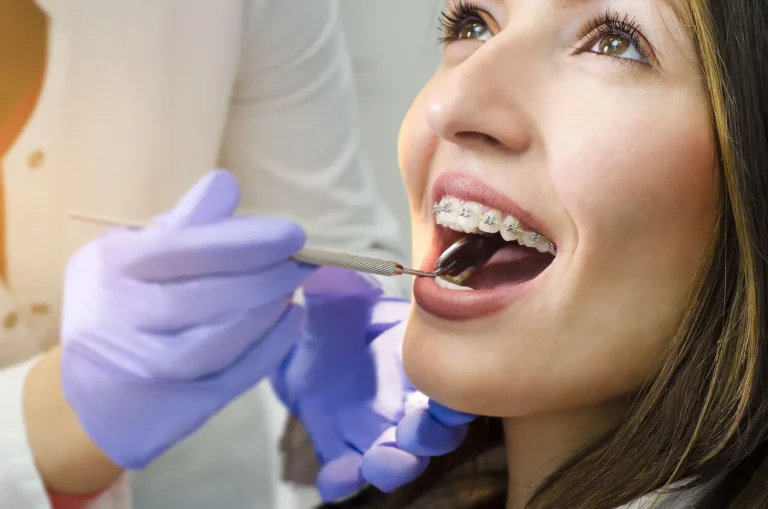
A mouthguard is designed to protect the teeth, lips, cheeks and gums from injury. When a patient has braces, protection becomes even more important because a blow to the mouth can cause brackets to cut the lips or cheeks, wires to bend, teeth to become injured or appliances to break. A properly chosen mouthguard can reduce these risks and help patients continue sport more safely during orthodontic treatment.
At the same time, not every mouthguard is suitable for braces. Some mouthguards fit too tightly around the brackets and may interfere with tooth movement. Others may be uncomfortable, bulky or difficult to wear. A mouthguard that was made before braces were placed may no longer fit correctly and should not be forced into position.
At Dental Studio in Dubai, orthodontic care is planned with comfort, prevention and long-term oral health in mind. If you wear braces, the dental team can advise you on the safest type of mouthguard for your treatment stage, sport and age.
In this article, we will explain when you need a mouthguard with braces, which types may be suitable, what to avoid, how to care for it and why professional advice is important.
Why do you need a mouthguard with braces?
You need a mouthguard with braces because braces can increase the risk of soft tissue injury during impact. Brackets and wires sit on the front of the teeth, so if the mouth is hit, the inside of the lips or cheeks can be pressed against the appliance. This may cause cuts, swelling or discomfort.
A mouthguard creates a protective layer between the braces and the soft tissues. It also helps absorb some of the force from a blow, reducing the risk of damage to the teeth and orthodontic appliance. This is especially important for children, teenagers and adults who play sports such as football, basketball, rugby, martial arts, hockey, skating or any activity where falls or collisions can happen.
Braces are carefully adjusted to move teeth over time. If a bracket breaks or a wire bends because of an injury, treatment may be interrupted until the appliance is repaired. This can cause discomfort and may delay progress. Wearing a mouthguard can help protect the orthodontic work already being done.
A mouthguard is not only for professional athletes. Many dental injuries happen during school sports, recreational games or casual activities. If there is a chance of contact, a mouthguard should be considered.
Patients should not wait until an injury happens. Preventive protection is much safer than repairing broken brackets, treating cuts or managing dental trauma. If you or your child has braces and plays sport, ask the dentist or orthodontic expert which mouthguard is suitable.
Can I wear a mouthguard with braces for sports?
Yes, you can wear a mouthguard with braces for sports, and in many cases it is strongly recommended. Sports can expose the mouth to sudden impact, falls, elbows, balls, equipment or accidental collisions. With braces, these impacts can be more uncomfortable and more damaging because the orthodontic appliance sits against the lips and cheeks.
The mouthguard should be designed or selected with braces in mind. Orthodontic mouthguards are made to fit over brackets and wires without gripping them too tightly. They allow space for tooth movement and help protect both the teeth and appliance.
A standard tight-fitting mouthguard may not be ideal during braces treatment because the teeth are moving. If the mouthguard locks around the brackets or teeth too firmly, it may become uncomfortable, difficult to remove or unsuitable after the teeth shift. It may also put unwanted pressure on the appliance.
Children and teenagers may need mouthguards reviewed more often during orthodontic treatment because their teeth and jaws are changing. A mouthguard that fits at the beginning of treatment may not fit later. Parents should check comfort regularly and ask the dentist if the child complains of pressure, tightness or rubbing.
The type of sport also matters. A patient involved in high-contact activity may need a different level of protection compared with someone playing a lower-risk sport. The dentist can advise based on the activity and the stage of treatment.
Wearing a mouthguard with braces is about continuing normal activities safely. Orthodontic treatment should not necessarily stop a patient from playing sport, but protection should be planned properly.
What type of mouthguard is best with braces?
The best mouthguard with braces is one that protects the teeth and soft tissues without interfering with the orthodontic appliance or tooth movement. In many cases, an orthodontic mouthguard is recommended because it is designed to fit over brackets and wires with enough space for movement.
There are different types of mouthguards. Some are ready-made and available in general sizes. These may be easier to use temporarily, but they may feel bulky or less stable. Some are boil-and-bite mouthguards, which are softened and shaped around the teeth. These should be used with caution during braces treatment because if they mould too tightly around the brackets, they can become difficult to remove or interfere with the appliance.
Custom mouthguards are made based on the patient’s mouth. They can offer better fit and comfort, but when braces are present, the design must allow space for brackets and ongoing tooth movement. A custom mouthguard made before braces will usually not be suitable once braces are placed.
The right choice depends on several factors, including:
- the patient’s age;
- the type of braces;
- the stage of orthodontic treatment;
- the sport or activity;
- the risk of impact;
- comfort and cooperation;
- how quickly the teeth are moving.
A dentist or orthodontic expert can recommend the safest option. The mouthguard should feel protective but not painfully tight. It should not pull on brackets, bend wires or make it difficult to close the mouth comfortably.
At Dental Studio, advice is personalised because every orthodontic case is different. The aim is to protect the smile while allowing treatment to continue safely.
Can I use a boil-and-bite mouthguard with braces?
A boil-and-bite mouthguard may not be the safest option with braces unless your dentist or orthodontic expert confirms that it is suitable. These mouthguards are softened in hot water and then shaped around the teeth. The problem is that braces have brackets, wires and spaces that can make the mouthguard mould too tightly or unevenly.
If a boil-and-bite mouthguard grips the brackets, it may be hard to remove. Pulling it out can loosen brackets, bend wires or cause discomfort. It may also create pressure on teeth that are supposed to move gradually through orthodontic treatment. This pressure may not match the treatment plan.
Another issue is fit over time. Braces move teeth, so a mouthguard shaped today may become tight or inaccurate later. If the mouthguard no longer fits, it may rub, press or provide less protection.
Some mouthguards are designed specifically for orthodontic patients and may not need the same tight moulding. These can leave more space around the braces and allow tooth movement. The dentist can explain which type is safer for your situation.
Patients should not try to cut, reshape, heat repeatedly or modify a mouthguard at home if it does not fit. DIY adjustments can create rough edges, reduce protection or damage the appliance. If the mouthguard feels too tight, loose, sharp or uncomfortable, it should be checked.
The safest approach is to ask before using it. A mouthguard is meant to protect the mouth, not create new orthodontic problems. Professional guidance helps prevent avoidable damage.
Can I wear a nightguard with braces for grinding?
A nightguard for grinding is different from a sports mouthguard. A sports mouthguard protects against impact during physical activity. A nightguard is usually used to protect teeth from grinding or clenching during sleep. If you have braces and grind your teeth, you should not use an old nightguard or buy one without dental advice.
Braces move teeth gradually. A nightguard that fits tightly around the teeth can block movement or place pressure in the wrong direction. If it was made before braces were placed, it will almost certainly not fit correctly during treatment. Forcing it into place can damage brackets, bend wires or make the teeth sore.
Grinding during orthodontic treatment should be assessed by the dentist or orthodontic expert. The cause may be linked to stress, bite changes, muscle tension or other factors. The dental team can decide whether protection is needed and what kind of appliance is appropriate at that stage.
In some cases, a patient may be advised to wait, monitor symptoms or use a different type of protective appliance. In other cases, a specially designed appliance may be considered. The decision depends on the type of braces, the severity of grinding and the patient’s treatment plan.
Patients should also avoid using online nightguards with braces. These are not designed around orthodontic movement and can create problems.
If you wake with jaw tension, tooth soreness, headaches or signs of grinding while wearing braces, do not ignore it. Tell your dentist. The aim is to protect the teeth without interfering with orthodontic progress.
What happens if you play sport with braces and no mouthguard?
Playing sport with braces and no mouthguard increases the risk of dental and soft tissue injuries. If the mouth is hit, the brackets can cut the lips, cheeks or gums. A wire may bend or break. A bracket may detach. In more serious cases, a tooth may chip, loosen or be pushed out of position.
Even a minor injury can be uncomfortable. A cut lip may swell around the brackets, making it harder to clean the area and increasing irritation. A broken wire can poke the cheek and may need an urgent adjustment. A loose bracket can disturb treatment and may require a repair appointment.
A mouthguard cannot prevent every injury, but it can reduce risk. It cushions the teeth, covers the braces and creates separation between the appliance and soft tissues. For patients with braces, this protection is especially valuable.
Some patients avoid mouthguards because they feel bulky or affect speech. This usually means the mouthguard may not be the right type or fit. A better-designed orthodontic mouthguard can be more comfortable and easier to tolerate. Children may need encouragement and time to get used to wearing it.
Parents should treat a mouthguard as part of sports equipment, like a helmet or shin guard. It should be worn during training as well as matches because injuries can happen at any time.
If a sports injury happens despite wearing a mouthguard, the patient should still contact the dentist. The teeth, braces and soft tissues may need to be checked even if the injury seems small.
How should a mouthguard fit when you have braces?
A mouthguard for braces should fit securely enough to stay in place, but not so tightly that it grips the brackets or blocks tooth movement. It should cover the teeth and braces comfortably, protect the lips and cheeks, and allow the patient to breathe and close the mouth as naturally as possible.
The mouthguard should not feel painfully tight. It should not pull when removed, get caught on brackets or make wires feel pressured. If it does, it may need adjustment or replacement. A tight fit that might be acceptable for someone without braces can be unsuitable for an orthodontic patient because the teeth are actively moving.
The mouthguard should also not be so loose that it falls out easily or shifts during sport. A loose mouthguard may provide poor protection and may distract the patient while playing. The balance between space and stability is important.
During braces treatment, fit can change. As teeth move, the mouthguard may stop sitting correctly. This is why it should be checked regularly, especially for children and teenagers. Parents should ask their child whether the mouthguard feels different, rubs the gums or feels tight after orthodontic adjustments.
If a mouthguard is damaged, chewed through, split, too loose or too tight, it should be replaced. A damaged mouthguard may not protect properly.
At Dental Studio, the dental team can help assess whether a mouthguard is fitting correctly during orthodontic treatment. This protects both the patient and the progress of the braces.
How do you care for a mouthguard when wearing braces?
Caring for a mouthguard is important because it sits inside the mouth and can collect saliva, plaque and bacteria. When a patient has braces, hygiene is already more demanding, so the mouthguard should be kept clean to avoid bad taste, odour or gum irritation.
After each use, rinse the mouthguard with cool water. It can also be cleaned gently with a soft toothbrush. Avoid using very hot water because heat can distort the shape. If the mouthguard changes shape, it may stop fitting correctly and may not protect properly.
Allow the mouthguard to dry before storing it in its case. A ventilated case is helpful because moisture can encourage odour and bacterial growth. The case should also be cleaned regularly.
Do not leave the mouthguard in direct sunlight, inside a hot car or near heat sources. Heat can warp the material. Do not chew on the mouthguard, as this can create holes or weaken its protection.
The mouthguard should be inspected regularly. Look for cracks, tears, rough edges, thinning areas or changes in fit. If it no longer feels comfortable or protective, bring it to the dental appointment.
Patients with braces should also brush carefully before wearing the mouthguard. Food trapped around brackets can remain pressed against the teeth during use, increasing plaque risk. Good oral hygiene protects the teeth during orthodontic treatment.
A mouthguard is a protective device, but only if it is clean, intact and well fitting. Regular care helps it do its job properly.
What should you do if your mouthguard no longer fits during braces treatment?
If your mouthguard no longer fits during braces treatment, do not force it into place. Teeth move throughout orthodontic treatment, so a mouthguard that once felt comfortable may become too tight, loose or uneven. Forcing it can pull on brackets, bend wires or create discomfort.
The first step is to stop using the mouthguard if it feels unsafe or painful. Bring it to your dentist or orthodontic expert so they can check the fit. In some cases, a small adjustment may be possible. In other cases, a new mouthguard may be needed.
This is especially important for patients who play sport regularly. Continuing to play without a suitable mouthguard increases injury risk, but wearing a poor-fitting one may also be unsafe. The dental team can advise on the best temporary or long-term solution.
Parents should check children’s mouthguards regularly. Children may not always explain fit problems clearly. They may simply stop wearing the mouthguard or complain that it feels annoying. If a child avoids wearing it, ask whether it feels tight, bulky, loose or painful.
A mouthguard should also be checked after orthodontic adjustments, especially if the teeth have moved significantly or new brackets have been added. Growth changes can also affect fit in younger patients.
Do not trim or reshape the mouthguard yourself unless the dentist has specifically shown you how and confirmed it is safe. Cutting the wrong area can reduce protection.
A changing fit is normal during braces. Regular professional review helps keep the mouthguard protective and comfortable.
What should you avoid when wearing a mouthguard with braces?
When wearing a mouthguard with braces, avoid using any appliance that has not been checked for fit. This includes old mouthguards, old nightguards, online devices or mouthguards borrowed from someone else. A mouthguard must match your current mouth, appliance and treatment stage.
Do not use a mouthguard made before braces unless your dentist confirms it is still suitable. Brackets and wires change the shape of the teeth, and a previous mouthguard may not fit safely. It may press on the appliance or fail to cover the braces properly.
Avoid chewing on the mouthguard. Chewing can create holes and weaken protection. It can also make the mouthguard distort, making it less stable during sport.
Do not heat, cut, glue or modify the mouthguard at home. If it feels uncomfortable, professional adjustment is safer. DIY changes can create sharp edges, reduce thickness or make the mouthguard less protective.
Avoid wearing a dirty mouthguard. Rinse and clean it after use, and store it properly. A mouthguard left loose in a sports bag can collect bacteria, dust or dirt.
Patients should also avoid ignoring pain, bracket damage or wire changes after impact. Even if the mouthguard was worn, the braces and teeth should be checked if there was a strong blow to the mouth.
Finally, avoid assuming one mouthguard will last through the entire braces journey. Orthodontic treatment changes the position of the teeth, so replacement or adjustment may be needed.
Safe use depends on fit, hygiene and regular dental advice.
How does Dental Studio advise patients with braces and mouthguards?
Dental Studio in Dubai advises patients with braces and mouthguards through personalised assessment. The correct advice depends on the patient’s age, type of braces, sport, risk of injury, tooth movement and whether the mouthguard is for sport or grinding.
The dental team first identifies why the patient needs the mouthguard. A sports mouthguard and a nightguard have different purposes and should not be confused. Sports protection must absorb impact and protect the braces from trauma. A nightguard must be carefully considered because it may affect tooth movement if it is not planned properly.
If a patient plays contact sport, the dentist can advise on an orthodontic mouthguard that fits over braces without gripping brackets too tightly. The team may also explain when the mouthguard should be replaced and how to check for damage.
For children and teenagers, parental guidance is important. The team can explain how to clean the mouthguard, how to store it and what signs suggest that it no longer fits. This helps make protection part of the child’s routine.
Dental Studio’s orthodontic care is supported by a wider philosophy of wellness, comfort and care. The goal is not only to straighten teeth, but to protect the mouth throughout the treatment journey. Technologies such as digital scanning can support planning in suitable cases, while regular appointments allow the team to monitor orthodontic progress.
If a mouthguard feels uncomfortable, loose or tight, the patient should bring it to the clinic. A quick check can prevent avoidable damage and help keep treatment on track.
Conclusion on can I wear a mouthguard with braces
Can I wear a mouthguard with braces? Yes, and if you play sport or take part in activities where your mouth could be hit, wearing the right mouthguard is very important. Braces can make the lips, cheeks, teeth and orthodontic appliance more vulnerable during impact, so protection should be planned carefully.
The safest mouthguard is one that is suitable for orthodontic treatment. It should protect the teeth and braces without gripping brackets too tightly or interfering with tooth movement. Old mouthguards, poorly fitting devices, online nightguards and unsuitable boil-and-bite options should not be used without professional advice.
A sports mouthguard is different from a nightguard for grinding. If you grind your teeth while wearing braces, do not use an old nightguard or buy one without asking your dentist. The wrong appliance can affect orthodontic movement or damage braces.
Patients should keep mouthguards clean, check fit regularly and replace them when they become damaged, tight or loose. If a mouthguard no longer fits, do not force it.
At Dental Studio in Dubai, the team can advise you on the safest mouthguard option during braces treatment. If you or your child wears braces and needs protection for sport or grinding, contact Dental Studio to book an appointment and receive personalised advice.
Our Clinics in Dubai:
– Al Wasl: Villa 16/1194, Al Wasl Road, Umm Suqeim 2, Dubai
– Science Park: 4th Floor, South Tower, Dubai Science Park, Dubai
– JBR The Walk: Unit 8, Al Fattan Marine Towers, The Walk, Jumeirah Beach Residence, Dubai
– Jumeirah Beach Road: Villa 469B, Jumeirah Beach Road, Dubai
– Marina Gate: R-301, Jumeirah Living Marina Gate, Dubai Marina
– Tecom Barsha Heights: Suite 102, 1st Floor, Cayan Business Center, Barsha Heights, Dubai
– Umm Al Sheif: Villa 61, Umm Al Sheif Road, Dubai
– Jumeirah Park: Shop # GF-12, Pavilion Jumeirah Park East by Dubai Retail