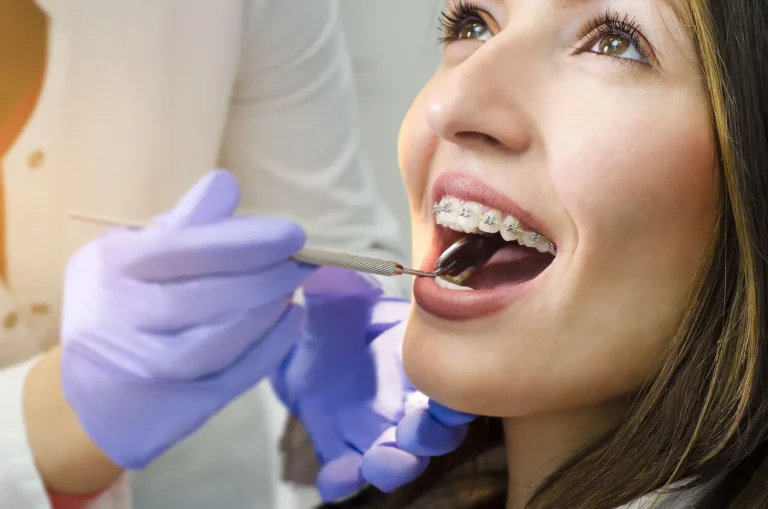
Composite bonding vs veneers: find out the differences
Composite bonding vs veneers is a common question for patients who want to improve their smile but are unsure which treatment is more suitable. Both options can enhance the appearance of teeth, but they are not the same. They differ in material, preparation, durability, maintenance, appearance and the types of concerns they can correct.
Composite bonding is often used for small chips, minor gaps, uneven edges or subtle reshaping. Veneers are thin restorations placed on the front surface of teeth and may be used when a more complete change in shape, colour, length or symmetry is needed. Both treatments can look natural when planned carefully, but the best choice depends on the patient’s teeth, bite, gums and expectations.
At Dental Studio in Dubai, cosmetic dentistry is approached with care, honesty and respect for natural tooth structure. The goal is not to recommend the same treatment to every patient, but to understand what each smile needs. Sometimes bonding is enough. Sometimes veneers are more appropriate. Sometimes whitening, clear aligners or gum care should come first.
In this article, we will explain the difference between composite bonding and veneers, what each treatment can improve, how long they may last, what to avoid and how a dentist can help you choose the safest option for your smile.
What is composite bonding?
Composite bonding is a cosmetic dental treatment that uses a tooth-coloured resin material to improve the shape, size or surface of a tooth. The material is applied directly to the tooth, shaped by the dentist and polished so it blends with the natural enamel.
Bonding is often used for small aesthetic changes. It may help repair minor chips, close small gaps, smooth uneven edges, improve tooth shape or cover small areas of discolouration. In many cases, little or no enamel removal is needed, which can make bonding a conservative option.
One of the main advantages of composite bonding is flexibility. The dentist can add material where needed and refine the shape during the appointment. It can be useful when a patient wants a subtle improvement rather than a full smile makeover. It may also be used as part of a wider plan with whitening or orthodontic treatment.
However, composite bonding has limitations. The material can stain over time, especially with frequent coffee, tea, coloured foods or smoking. It may also chip or lose polish more easily than ceramic restorations. Patients who grind their teeth, bite hard objects or use their teeth as tools may need repairs more often.
Composite bonding is not a DIY treatment. Online bonding kits can create rough surfaces, poor bite contacts, gum irritation and unnatural results. Bonding should always be planned and placed by a dentist who understands tooth shape, bite and long-term maintenance.
What are veneers?
Veneers are thin restorations placed on the visible front surface of teeth to improve their appearance. They are commonly used when a patient wants to change tooth colour, shape, length, width or symmetry. Veneers can be part of a smile makeover when the front teeth need a more complete aesthetic improvement.
Veneers are usually made from ceramic or other aesthetic dental materials. They are designed outside the mouth using a personalised plan and then bonded to the teeth. The dentist studies the smile, gums, facial proportions and bite before designing them. This planning is essential because veneers should not only look beautiful; they must also function comfortably.
Veneers may be suitable for teeth that are worn, stained, chipped, uneven, small or not in harmony with the smile. They can also help create a more balanced appearance when several front teeth have different shapes or colours. When planned well, veneers can look natural, with shade, translucency and texture that suit the patient.
Some veneers require tooth preparation. The amount depends on the case, tooth position, material choice and desired result. A careful dentist will aim to preserve as much natural tooth structure as possible. If the teeth are misaligned, clear aligner treatment before veneers may sometimes reduce the need for preparation.
Veneers are not the right choice for every patient. Gum disease, cavities, heavy grinding, weak teeth or unrealistic expectations need to be addressed first. A proper assessment helps determine whether veneers are appropriate or whether a more conservative option would be better.
Composite bonding vs veneers: what is the main difference?
The main difference between composite bonding vs veneers is the material and the way the treatment is planned. Composite bonding uses resin applied directly to the tooth by the dentist. Veneers are custom restorations designed to cover the front surface of the tooth and are usually made before being bonded in place.
Composite bonding is often used for smaller corrections. If a tooth has a small chip, a slightly uneven edge or a minor gap, bonding may be enough. It allows the dentist to build and shape the tooth conservatively. It is often a good option when the patient wants a modest improvement and the underlying tooth is healthy.
Veneers are usually considered when the desired change is more significant. If several teeth have uneven colour, shape, size or proportion, veneers may provide a more complete transformation. They can create a coordinated smile design across multiple teeth, especially when the patient wants a stable aesthetic result.
The surface properties are also different. Ceramic veneers are generally more resistant to staining and can maintain their polish well when cared for properly. Composite bonding may stain or dull more quickly and may need polishing or repair over time.
The preparation can also differ. Bonding may need little or no enamel removal. Veneers may require some preparation, depending on the case. This is why diagnosis matters. A dentist should recommend the least invasive option that can achieve the patient’s goal safely.
Neither treatment is automatically “better”. The right choice depends on the smile, the teeth and the long-term plan.
When is composite bonding a good option?
Composite bonding may be a good option when the patient needs small or moderate improvements to the front teeth. It can be useful for minor chips, small spaces, uneven edges, slightly worn teeth or small shape corrections. It is often chosen when the natural tooth colour is already acceptable or can be improved first with professional whitening.
Bonding may also be suitable for patients who want a conservative approach. Because the resin is added to the tooth surface, enamel removal may be minimal or unnecessary in many cases. This can make bonding attractive when the dental concern is mainly about small details rather than a complete smile redesign.
Another situation where bonding can help is after orthodontic treatment. Once teeth are aligned, some patients still notice small edge differences or narrow tooth shapes. Bonding can refine these details and help the smile look more balanced.
However, bonding is not ideal for every concern. If a tooth is very dark, heavily restored, severely worn or structurally weak, bonding may not be strong or aesthetic enough. If the patient wants a major change in colour across several teeth, veneers may be discussed instead.
Patients who grind their teeth heavily should be assessed carefully. Bonding can chip under strong forces. A dentist may recommend bite management, a nightguard or a different treatment depending on the case.
At Dental Studio, bonding is considered when it fits the patient’s clinical needs and expectations. The aim is to improve the smile without unnecessary treatment.
When are veneers a good option?
Veneers may be a good option when the patient wants a more complete smile improvement involving several visible teeth. They can be useful when teeth are stained, worn, uneven, chipped, short, narrow or not in balance with the face. Veneers can also help when the patient wants a coordinated change in shape and colour that bonding alone may not achieve predictably.
Veneers are often considered when tooth colour does not respond well to whitening. Some stains are internal or related to previous trauma, medication history or enamel changes. In these cases, whitening may not provide the desired improvement, and veneers may help create a more even appearance.
Veneers may also be suitable when multiple front teeth need similar aesthetic changes. Instead of repairing one small chip, the dentist can design the smile as a whole. Tooth length, width, edge position, shade and symmetry can be planned together.
However, veneers require careful diagnosis. If the teeth are crowded or rotated, alignment may be recommended first. If the gums are inflamed, gum care should come before veneers. If the bite is unstable or the patient grinds heavily, the dentist must address those forces before placing restorations.
Veneers should not be chosen only because they are popular. They are a dental treatment that may involve permanent changes to the teeth. The dentist should explain the benefits, limits and maintenance needs clearly.
At Dental Studio, veneers are planned with a natural-looking approach and attention to preserving healthy tooth structure whenever possible.
Which looks more natural: composite bonding or veneers?
Both composite bonding and veneers can look natural when they are well planned and placed by an experienced dentist. The final appearance depends less on the treatment name and more on design, material handling, shade selection, tooth proportions and how the result fits the patient’s face.
Composite bonding can look very natural for small changes. Because the material is shaped directly on the tooth, the dentist can blend it with the surrounding enamel. It can be ideal for repairing a small chip or refining an edge without changing the whole smile. However, bonding may lose polish or stain over time, which can affect appearance.
Veneers can also look natural when shade, translucency and texture are chosen carefully. A good veneer should not look flat, overly white or artificial. Natural teeth have subtle variations, surface details and light reflection. These details must be included in the design.
The most unnatural results often come from choosing a shade that is too bright, teeth that are too long, or shapes that do not suit the patient’s lips and face. This can happen with either bonding or veneers if planning is poor.
A dentist may use photographs, digital scans and smile design tools to plan the result. At Dental Studio, digital planning can help patients understand the proposed changes before treatment begins.
The best aesthetic outcome is personalised. The goal should not be to make every tooth look identical, but to create harmony. A natural smile should look healthier and brighter while still feeling like the patient’s own smile.
Which lasts longer: composite bonding or veneers?
Veneers generally last longer than composite bonding when they are well planned and properly maintained, but longevity depends on many factors. Oral hygiene, bite forces, habits, material quality, tooth condition and regular dental care all affect how long any cosmetic treatment lasts.
Composite bonding may need more maintenance over time. It can chip, stain or lose shine, especially in patients who drink staining beverages often, smoke, grind their teeth or bite hard objects. Bonding can often be repaired or polished, but patients should understand that it may need refresh appointments.
Veneers are usually more resistant to staining and may maintain their appearance for longer. However, they are not indestructible. They can chip, crack or debond if exposed to heavy forces or poor habits. The natural tooth underneath and the gum around the veneer still need daily care.
Grinding and clenching are important factors for both treatments. If the patient places excessive pressure on the front teeth, bonding may chip and veneers may be at risk. A nightguard may be recommended in selected cases to protect the work.
Diet and habits matter too. Teeth should not be used to open packaging, bite pens, chew ice or crack hard foods. These habits can damage natural teeth, bonding and veneers.
Regular dental checks help detect small issues early. The dentist can polish bonding, check veneer margins, monitor gum health and assess the bite.
Longevity should not be the only deciding factor. The most suitable treatment is the one that balances appearance, tooth preservation, function and maintenance.
Do composite bonding and veneers stain?
Composite bonding can stain more easily than veneers. The resin material used in bonding can absorb pigments from coffee, tea, coloured foods, smoking and certain habits over time. It may also become dull if the surface loses polish. This does not mean bonding is a poor treatment, but patients should understand that maintenance is part of the plan.
Veneers, especially ceramic veneers, are generally more stain-resistant. They can maintain their colour and shine well when cared for properly. However, the natural teeth around them can still stain. The margins, where the veneer meets the tooth, also need careful cleaning.
Whitening is important to understand. Whitening products do not lighten composite bonding or veneers in the same way they lighten natural enamel. If a patient whitens natural teeth after bonding or veneers, colour mismatch can occur. For this reason, whitening is often planned before cosmetic restorations if the patient wants a brighter overall smile.
Patients should avoid abrasive whitening toothpaste, charcoal powders, lemon, baking soda and DIY whitening methods. These can damage enamel, roughen bonding and irritate gums. A dentist would not recommend aggressive home methods for maintaining cosmetic dental work.
Professional hygiene appointments can help remove surface stains and keep the smile cleaner. Bonding may sometimes be polished to refresh its appearance. Veneers can be checked and cleaned around the margins.
At Dental Studio, patients receive guidance on how to maintain cosmetic treatments safely. Good maintenance protects both the appearance and the health of the smile.
Is composite bonding more conservative than veneers?
Composite bonding is often more conservative than veneers because it can usually be placed with little or no enamel removal. The dentist adds resin to the tooth, shapes it and polishes it. This makes bonding a good option for selected small changes.
Veneers may require some preparation of the tooth surface, depending on the case. The amount can vary. If teeth are already well positioned and the patient wants to add shape or improve proportion, preparation may be minimal. If teeth are crowded, protruded or very dark, more preparation may be needed to create space and achieve the desired result.
A conservative approach does not always mean choosing bonding automatically. If a patient needs a larger aesthetic change, trying to achieve it with bonding may result in bulky teeth, weak edges or frequent repairs. In that situation, veneers may be more appropriate even if they require more planning.
The dentist should always ask: what is the least invasive treatment that can achieve a healthy, stable and attractive result? Sometimes the answer is polishing or whitening. Sometimes it is bonding. Sometimes it is clear aligners before cosmetic work. Sometimes veneers are the right option.
At Dental Studio, preserving natural tooth structure is an important part of treatment planning. Patients should receive honest advice about what is necessary and what can be avoided.
A good cosmetic plan should not remove healthy enamel without reason. It should balance beauty, strength, function and long-term dental health.
Can composite bonding or veneers fix gaps and uneven teeth?
Composite bonding and veneers can both help with gaps and uneven teeth, but the right option depends on the size of the gap, tooth position, bite and gum shape. Small gaps between front teeth may sometimes be closed with bonding. The dentist adds material to the sides of the teeth to make the space less visible.
For larger gaps, bonding may not always be ideal. Adding too much material can make teeth look wide or unnatural. In these cases, veneers, clear aligners or a combination of treatments may be more appropriate. Clear aligners can move the teeth into a better position before cosmetic finishing, which may create a more balanced result.
Uneven teeth can also be improved in different ways. If the issue is a small chip or edge irregularity, bonding may be enough. If several teeth are different in length, shape or colour, veneers may provide a more coordinated smile makeover.
The bite must always be assessed. Gaps or uneven edges may be caused by tooth wear, grinding or tooth movement. If the cause is not addressed, cosmetic treatment may chip or fail later.
Gum shape also matters. Sometimes a gap appears larger because of gum recession or triangular spaces between teeth. The dentist needs to examine the full smile before recommending treatment.
Patients should avoid using online gap-closing bands or DIY methods. These can damage gums and may lead to tooth loss. Gaps should only be treated with professional diagnosis and safe dental planning.
What should you avoid before choosing composite bonding or veneers?
Before choosing composite bonding or veneers, avoid making the decision based only on social media photos, trends or someone else’s smile. Cosmetic dentistry should be personalised. A treatment that looks good on one person may not suit another person’s teeth, face or bite.
Do not attempt DIY bonding, home filing or aggressive whitening. Online bonding kits can create rough surfaces, trap plaque, irritate gums and interfere with the bite. Filing teeth at home permanently removes enamel and can cause sensitivity or damage. Acidic or abrasive whitening methods can weaken enamel and make teeth more vulnerable.
Patients should also avoid rushing into veneers if a simpler option may work. If the concern is a small chip, bonding may be enough. If the concern is colour, whitening may be considered first. If teeth are crowded, alignment may be recommended before restorative treatment.
At the same time, avoid choosing bonding only because it seems more conservative if the clinical situation requires a stronger or more complete solution. A dentist must explain the advantages and limits honestly.
Do not ignore gum disease, cavities, tooth pain, grinding or bite problems before cosmetic treatment. These issues should be managed first. A smile makeover built on unhealthy teeth or gums is not stable.
The safest approach is to book a dental assessment, discuss your goals and allow the dentist to examine your mouth properly. Cosmetic treatment should enhance the smile while protecting long-term oral health.
How does Dental Studio help patients choose between bonding and veneers?
Dental Studio in Dubai helps patients choose between bonding and veneers by starting with diagnosis rather than assumption. The dentist listens to what the patient wants to change, then examines the teeth, gums, bite and existing restorations. This helps determine which treatment is suitable and which options should be avoided.
Digital tools can support the planning process. Intraoral scanning, photographs and smile design can help the dentist study proportions and explain possible outcomes. These tools are especially useful when patients are deciding between a subtle correction and a more complete smile makeover.
If the concern is minor, composite bonding may be recommended. It can be used to repair small chips, refine edges or close small gaps in a conservative way. If the patient wants a more significant change in colour, shape or symmetry across several teeth, veneers may be discussed.
The dentist may also recommend other steps first. Professional whitening may help when the main concern is shade. Clear aligners may be recommended if tooth position should be improved before cosmetic work. Gum care may be needed if the gums are inflamed or uneven.
Dental Studio’s philosophy is based on wellness, comfort and care. This means patients should receive clear explanations, realistic expectations and treatment only when appropriate. The goal is not to push one option, but to choose the safest and most natural-looking solution for the individual smile.
A confident result begins with honest planning.
Conclusion on composite bonding vs veneers
Composite bonding vs veneers is not about choosing one treatment as universally better than the other. Both can improve the smile, but they are suitable for different needs. Composite bonding is often a conservative option for small chips, minor gaps, uneven edges and subtle reshaping. Veneers may be more suitable for broader changes in colour, shape, length, symmetry or smile design.
The right choice depends on tooth condition, enamel, gum health, bite, expectations and long-term maintenance. Bonding may need more polishing and repair over time, while veneers may offer greater stain resistance and a more complete aesthetic change. However, veneers may require more preparation and planning.
Patients should avoid DIY bonding, home filing, abrasive whitening and treatment decisions based only on online images. Cosmetic dentistry must be planned professionally to protect enamel, gums and bite function.
At Dental Studio in Dubai, patients receive personalised advice based on careful assessment and digital planning when appropriate. The team can explain whether bonding, veneers, whitening, alignment or another treatment is most suitable for your smile.
If you are considering composite bonding vs veneers, contact Dental Studio to book an appointment and receive guidance tailored to your teeth, goals and long-term oral health.
Our Clinics in Dubai:
– Al Wasl: Villa 16/1194, Al Wasl Road, Umm Suqeim 2, Dubai
– Science Park: 4th Floor, South Tower, Dubai Science Park, Dubai
– JBR The Walk: Unit 8, Al Fattan Marine Towers, The Walk, Jumeirah Beach Residence, Dubai
– Jumeirah Beach Road: Villa 469B, Jumeirah Beach Road, Dubai
– Marina Gate: R-301, Jumeirah Living Marina Gate, Dubai Marina
– Tecom Barsha Heights: Suite 102, 1st Floor, Cayan Business Center, Barsha Heights, Dubai
– Umm Al Sheif: Villa 61, Umm Al Sheif Road, Dubai
– Jumeirah Park: Shop # GF-12, Pavilion Jumeirah Park East by Dubai Retail