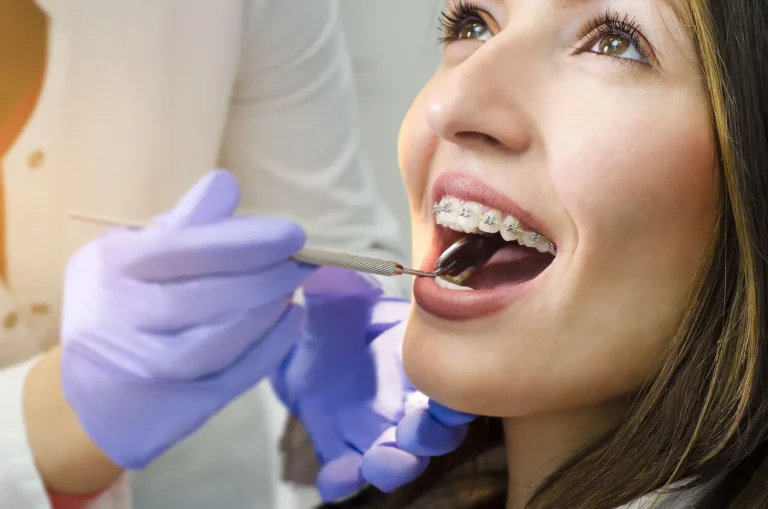
Learn more about tooth abscess treatment
Tooth abscess treatment is something that should never be delayed. A dental abscess is not a simple toothache and it is not a problem that can be solved safely with home remedies. It is a pocket of infection that can develop around a tooth, in the gum or near the root, usually because bacteria have entered an area where they should not be.
Many patients first notice a throbbing pain, swelling, tenderness when biting, a bad taste in the mouth or a small bump on the gum. In some cases, the pain may be intense. In others, it may come and go, which can make the problem seem less serious than it really is. Even if pain improves temporarily, the infection may still be present and may continue to affect the tooth, gum and surrounding bone.
The correct treatment depends on the cause and position of the abscess. A dentist may need to drain the infection, treat the tooth with root canal treatment, remove the tooth if it cannot be saved, or manage the surrounding gum tissues. Antibiotics may sometimes be needed, but they do not replace dental treatment because the source of the infection must be addressed.
At Dental Studio in Dubai, dental infections are assessed with careful diagnosis, digital imaging when needed and a patient-centred approach based on wellness, comfort and care. The goal is to relieve pain, control infection and protect long-term oral health.
In this article, we will explain what a tooth abscess is, what symptoms to look for, why DIY methods are unsafe, what treatment may involve and when urgent care is needed.
What is a tooth abscess?
A tooth abscess is a collection of pus caused by a bacterial infection. It can form inside the tooth, around the root of the tooth or in the gum tissues. Although patients often describe it simply as “tooth pain”, an abscess is more serious than ordinary sensitivity or mild discomfort.
There are different types of dental abscesses. A periapical abscess usually develops at the tip of the tooth root. This often happens when bacteria reach the inner part of the tooth through deep decay, a crack, trauma or a failing restoration. A periodontal abscess develops in the gum and supporting tissues around the tooth, often linked to gum disease or deep pockets where bacteria collect. A gum abscess may occur when food or bacteria become trapped in the soft tissues.
An abscess may feel like a throbbing pain, pressure or swelling. Sometimes the area feels tender when chewing or touching the tooth. A small pimple-like bump may appear on the gum, and there may be an unpleasant taste if pus drains into the mouth.
It is important to understand that a tooth abscess will not disappear safely without dental care. If it drains by itself, the pain may reduce, but this does not mean the infection has healed. The source of bacteria may remain inside the tooth or gum.
A dentist needs to identify where the abscess comes from and why it developed. Only then can the correct tooth abscess treatment be planned.
How do I know if I have a tooth abscess?
You may have a tooth abscess if you notice persistent tooth pain, swelling, gum tenderness, pain when biting, a bad taste, facial swelling or a small bump on the gum. However, only a dentist can confirm the diagnosis after examining the mouth and, when needed, taking X-rays.
The pain from an abscess is often described as throbbing or pulsating. It may feel deep inside the jaw and may become worse when lying down, chewing or touching the tooth. Some patients feel pain that spreads toward the ear, neck or jaw, making it hard to identify the exact tooth involved.
Swelling is another important sign. The gum near the tooth may look red, raised or tender. The cheek or jaw may also become swollen if the infection spreads beyond the immediate tooth area. In some cases, a small spot on the gum may release fluid or pus, creating a bitter or unpleasant taste.
Other warning signs may include:
- sensitivity to hot or cold;
- pain that does not improve;
- difficulty chewing;
- a loose or raised-feeling tooth;
- fever or feeling unwell;
- swollen glands;
- difficulty opening the mouth;
- bad breath that does not improve with brushing.
Some abscesses are less obvious. A tooth may stop hurting if the nerve inside it dies, but the infection can remain active around the root. This is why a dental examination is essential even if symptoms seem to improve.
If you suspect an abscess, do not wait for it to become severe. Early care can help prevent complications and may improve the chances of saving the tooth.
Why does a tooth abscess happen?
A tooth abscess happens when bacteria enter the tooth or surrounding tissues and create infection. The most common cause is untreated tooth decay. A cavity can begin in the enamel and gradually move deeper into the dentine. If bacteria reach the pulp, which is the inner part of the tooth containing nerves and blood vessels, inflammation and infection can develop.
Cracks can also cause abscesses. A tooth may crack because of trauma, biting something hard, grinding, clenching or having a large old filling. Even a small crack can allow bacteria to enter deeper areas of the tooth. Sometimes the crack is difficult for the patient to see, but the tooth becomes painful when biting.
Dental trauma is another possible cause. A fall, sports injury or blow to the mouth can damage the pulp inside a tooth. The tooth may become infected immediately or months later. A tooth that gradually darkens after trauma should always be checked.
Gum disease can also lead to abscess formation. When deep gum pockets develop around teeth, bacteria can collect below the gumline. If drainage is blocked, a periodontal abscess can form. This may cause swelling, pain, bleeding and tenderness around the affected tooth.
Wisdom teeth may also contribute to abscesses, especially if they are partially erupted and difficult to clean. Food and bacteria can collect under the gum flap, causing infection and swelling.
A tooth abscess is usually a sign that an underlying dental problem has progressed. Treating only the pain without treating the cause is not enough.
What should you do if you think you have a tooth abscess?
If you think you have a tooth abscess, the first step is to contact a dentist as soon as possible. A dental abscess needs professional assessment and treatment. Waiting, trying home remedies or relying only on temporary pain relief can allow the infection to worsen.
While waiting for your appointment, keep the area as clean as possible. Brush gently around the affected tooth and avoid aggressive pressure on swollen gums. Warm salt water rinses may help keep the area cleaner and may provide temporary comfort, but they do not cure the abscess.
Avoid chewing on the painful side. Pressure can make the tooth more tender, especially if the infection is around the root or if the tooth is cracked. Choose softer foods and avoid very hot, spicy or hard foods if they increase discomfort.
If you need pain relief, speak with a dentist, doctor or pharmacist, especially if you have medical conditions, take medication, are pregnant or are caring for a child. Do not exceed recommended doses and do not place tablets directly on the gum or tooth.
You should seek urgent care if you have facial swelling, fever, difficulty swallowing, difficulty breathing, swelling that spreads toward the eye or neck, or if you feel generally very unwell. These symptoms may suggest that infection is spreading and needs immediate attention.
The most important advice is simple: do not try to treat a dental abscess yourself. The infection source must be diagnosed and managed by a dentist.
What does tooth abscess treatment involve?
Tooth abscess treatment depends on where the infection is and what caused it. The main goal is to remove the source of infection, drain pus when needed and preserve oral health. Treating symptoms alone is not enough.
The dentist will begin by examining the tooth and gum. X-rays may be needed to see the roots, bone and extent of infection. The dentist may also test the tooth to understand whether the pulp is alive, inflamed or infected.
If the abscess comes from inside the tooth and the tooth can be saved, root canal treatment may be recommended. During root canal treatment, the infected or damaged pulp is removed, the canals are cleaned and disinfected, and the tooth is sealed. After this, the tooth usually needs a final restoration, such as a filling or crown, depending on how much structure remains.
If the tooth cannot be saved because it is too damaged, extraction may be needed. Removing the tooth also removes the source of infection, but the dentist will then discuss how to replace the missing tooth when the area has healed.
If the abscess is in the gum, periodontal treatment may be needed. This may involve cleaning the infected area, draining pus and treating the gum condition that caused the abscess.
In some cases, the dentist may drain the abscess directly to relieve pressure and remove pus. Antibiotics may be prescribed if the infection has spread, if there is swelling or if the patient has specific health risks. However, antibiotics alone do not remove the source.
The right treatment is always based on diagnosis.
Can antibiotics cure a tooth abscess?
Antibiotics cannot usually cure a tooth abscess by themselves. They may help control spreading infection in selected cases, but they do not remove the source of bacteria inside the tooth, around the root or within a gum pocket.
This is one of the most common misunderstandings about tooth abscess treatment. A patient may take antibiotics and feel better for a short time because swelling or pain improves. However, if the infected pulp, deep decay, cracked tooth or gum pocket remains untreated, the infection can return.
When an abscess is caused by an infected tooth pulp, the bacteria are inside the root canal system. Antibiotics travel through the bloodstream, but the inside of a dead or infected tooth has limited blood supply. This means antibiotics cannot reliably clean the canal space. Root canal treatment or extraction is often needed to remove the source.
When the abscess is related to gum disease, the infected pocket may need professional cleaning and drainage. Antibiotics may support care in some situations, but they do not replace mechanical treatment of the infected area.
Patients should never take antibiotics without a prescription. Unnecessary antibiotic use can cause side effects and contribute to antibiotic resistance. It may also delay the dental treatment that is actually needed.
If a dentist prescribes antibiotics, they should be taken exactly as instructed. But the patient should also complete the recommended dental treatment, because medication alone is not a predictable solution for an abscess.
The safest approach is professional diagnosis followed by definitive care.
Why should you avoid DIY tooth abscess treatment?
DIY tooth abscess treatment is unsafe because a dental abscess is an infection that needs professional care. Home remedies may temporarily change symptoms, but they do not remove the source of infection and can sometimes cause harm.
Patients sometimes try to drain an abscess themselves using sharp objects. This should never be done. It can injure the gum, spread bacteria, worsen swelling and create more pain. A dentist can drain an abscess safely when needed, using proper instruments, anaesthesia and infection control.
Applying aspirin, alcohol, essential oils, acidic substances or strong home mixtures to the gum is also unsafe. These substances can burn soft tissues, irritate the mouth and delay proper care. A painful gum does not need chemical irritation; it needs diagnosis.
Online temporary filling kits can also be risky. They may trap bacteria inside the tooth, interfere with the bite or hide a serious problem. If a tooth is infected, covering the area without treating the source can make the situation worse.
Painkillers may help temporarily, but they do not treat infection. Antibiotics taken without a prescription are also not safe and may not be appropriate.
Another danger of DIY care is false reassurance. If the abscess drains by itself and the pain reduces, a patient may think it has healed. In reality, the infection may still be active and may return.
A dentist would always advise against trying to manage an abscess at home. Temporary comfort measures can be used only while arranging urgent dental care.
When is a tooth abscess an emergency?
A tooth abscess becomes an emergency when symptoms suggest that infection may be spreading or affecting general health. Dental infections can progress, and some signs should be taken seriously.
Urgent attention is needed if there is swelling of the face, jaw, eye area or neck. Swelling that spreads can indicate that infection is moving beyond the tooth. Fever, chills, feeling very unwell or swollen glands may also suggest that the body is reacting to infection.
Difficulty swallowing, difficulty breathing, severe difficulty opening the mouth or swelling under the jaw require immediate medical attention. These symptoms can be serious and should not be managed at home.
Other urgent signs include:
- rapidly worsening pain;
- pus or bad taste with swelling;
- inability to sleep because of pain;
- tooth pain with fever;
- swelling after recent dental treatment;
- trauma with infection signs;
- a child with facial swelling or dental pain.
Even without these emergency symptoms, a suspected abscess should still be assessed promptly by a dentist. Waiting until it becomes an emergency can make treatment more complicated and increase discomfort.
At Dental Studio in Dubai, urgent dental concerns can be assessed so the source of infection can be identified. The dentist may need to take X-rays, drain the abscess, begin root canal treatment, remove the tooth if necessary or prescribe medication when clinically appropriate.
The key message is clear: swelling and infection should not be ignored. If symptoms are severe or spreading, seek urgent care.
Can a tooth be saved after an abscess?
A tooth can sometimes be saved after an abscess, but it depends on the extent of damage. The dentist needs to assess the tooth structure, root, surrounding bone, gum health and cause of infection before deciding whether saving the tooth is realistic.
If the abscess is caused by infected pulp and the tooth still has enough healthy structure, root canal treatment may allow the tooth to be preserved. The infected tissue is removed, the canals are cleaned and sealed, and the tooth is restored. If much of the tooth is missing, a crown may be recommended to protect it after treatment.
If the tooth is cracked vertically, severely decayed below the gumline, very loose because of gum disease or too damaged to restore, extraction may be the safer option. Trying to save a tooth that cannot be predictably restored may lead to repeated infection and discomfort.
The timing of treatment matters. Early diagnosis can improve the chances of saving the tooth. If an abscess is ignored for too long, infection can damage surrounding bone or the tooth may lose more structure. This can make treatment more complex.
The type of abscess also matters. A periodontal abscess linked to gum disease may require gum treatment and ongoing maintenance. The tooth may be saved if support can be stabilised, but advanced gum disease can affect the prognosis.
At Dental Studio, the focus is on honest advice. If saving the tooth is suitable, the dentist can explain the treatment. If removal is more appropriate, replacement options can be discussed after infection is controlled.
How can you prevent a tooth abscess?
Preventing a tooth abscess begins with preventing the conditions that allow bacteria to reach deep tissues. Good oral hygiene, regular dental checks and early treatment of dental problems all play an important role.
Brushing twice a day helps remove plaque from the tooth surfaces. Cleaning between the teeth is also important because cavities often develop where a toothbrush cannot reach properly. If plaque remains between teeth or along the gumline, bacteria can contribute to decay and gum inflammation.
Regular dental examinations allow the dentist to detect cavities, cracks, leaking fillings, gum disease and early infection before they become painful. Many abscesses develop because a dental problem was left untreated for too long. A small cavity may need a filling; if ignored, it may reach the pulp and require root canal treatment.
Professional hygiene appointments help control plaque and tartar, especially around areas that are difficult to clean. This is important for gum health and for preventing periodontal abscesses.
Patients should also avoid using teeth as tools, chewing hard objects or ignoring grinding and clenching. Cracks can allow bacteria to enter the tooth and may lead to infection. If a dentist recommends a nightguard, it should be used as instructed.
Diet matters too. Frequent sugary snacks and drinks increase the risk of decay. The frequency of sugar exposure is especially important because bacteria produce acids each time sugars are consumed.
Prevention is always easier, more comfortable and more conservative than treating an established abscess. Regular care helps protect both teeth and gums.
How does Dental Studio approach tooth abscess treatment?
Dental Studio in Dubai approaches tooth abscess treatment with urgent diagnosis, patient comfort and clear communication. The first priority is to understand the cause of the infection and relieve the patient’s discomfort safely.
The dentist begins by listening to the symptoms. The patient may describe throbbing pain, swelling, sensitivity, pain when biting, bad taste or a gum bump. The pattern of symptoms helps guide the examination, but diagnosis must be confirmed clinically.
The examination may include checking the tooth, gums, bite and surrounding tissues. Digital X-rays or 3D imaging may be used when needed to assess the root, bone and extent of infection. This helps the dentist decide whether the tooth can be saved or whether another treatment is needed.
Dental Studio offers treatments that may be relevant to abscess care, including root canal treatment, extractions, oral surgery, periodontal care and restorative dentistry. If the infection is related to a wisdom tooth or a complex surgical situation, the case can be assessed carefully and planned according to the patient’s needs.
Comfort is also important. A dental abscess can be painful and frightening, so the team aims to explain each step clearly. Local anaesthesia is used when treatment is performed, and additional comfort options may be discussed in suitable cases.
The practice’s philosophy is based on wellness, comfort and care. This means that tooth abscess treatment is not only about stopping pain for the moment. It is about treating the source of infection, protecting oral health and helping the patient understand how to prevent future problems.
Conclusion on tooth abscess treatment
Tooth abscess treatment should always be handled by a dentist. A dental abscess is a bacterial infection that may develop around the tooth root, inside the tooth or in the gum tissues. It can cause throbbing pain, swelling, bad taste, tenderness when biting, fever or a bump on the gum.
The correct treatment depends on the cause. The dentist may need to drain the abscess, perform root canal treatment, remove the tooth if it cannot be saved, clean infected gum tissues or prescribe antibiotics when clinically appropriate. Antibiotics alone are not usually enough because the source of infection must be treated.
Patients should avoid DIY tooth abscess treatment, including trying to drain the abscess, applying aspirin or alcohol to the gum, taking unprescribed antibiotics or relying only on painkillers. These methods can delay care and may allow the infection to worsen.
Urgent care is needed if there is facial swelling, fever, difficulty swallowing, difficulty breathing, swelling spreading toward the neck or eye, or severe worsening pain. These symptoms should not be ignored.
At Dental Studio in Dubai, tooth abscess treatment is planned with careful diagnosis, comfort and a focus on long-term oral health. If you have tooth pain, swelling or signs of infection, contact Dental Studio to book an appointment and receive personalised advice.
Our Clinics in Dubai:
– Al Wasl: Villa 16/1194, Al Wasl Road, Umm Suqeim 2, Dubai
– Science Park: 4th Floor, South Tower, Dubai Science Park, Dubai
– JBR The Walk: Unit 8, Al Fattan Marine Towers, The Walk, Jumeirah Beach Residence, Dubai
– Jumeirah Beach Road: Villa 469B, Jumeirah Beach Road, Dubai
– Marina Gate: R-301, Jumeirah Living Marina Gate, Dubai Marina
– Tecom Barsha Heights: Suite 102, 1st Floor, Cayan Business Center, Barsha Heights, Dubai
– Umm Al Sheif: Villa 61, Umm Al Sheif Road, Dubai
– Jumeirah Park: Shop # GF-12, Pavilion Jumeirah Park East by Dubai Retail