1. Primary Teeth in Dubai
Primary teeth are the first teeth to develop during childhood and are commonly called baby teeth. They usually begin appearing during infancy and are gradually replaced by permanent teeth as children grow. Although temporary, they play important roles in chewing, speech development and maintaining space for adult teeth. Their enamel is relatively thin, making untreated decay a concern. Regular dental assessments help monitor their condition, identify emerging problems and guide parents on appropriate brushing habits. Healthy primary teeth contribute to comfortable eating and normal dental development.
2. Tooth Eruption in Dubai
Tooth eruption describes the process through which a developing tooth moves into the mouth and becomes visible above the gum. Primary teeth generally emerge during infancy and early childhood, while permanent teeth appear over a longer period. Eruption timing varies naturally between children, so small differences from typical schedules are not necessarily concerning. Dentists monitor the sequence and position of emerging teeth to identify possible developmental issues. Parents should seek advice if eruption appears unusually delayed, causes persistent discomfort or is accompanied by other symptoms requiring assessment.
3. Mixed Dentition in Dubai
Mixed dentition is the developmental stage when a child has both primary and permanent teeth. It generally begins when the first permanent molars or incisors appear and continues until the remaining baby teeth are replaced. During this period, tooth spacing, bite relationships and jaw growth can change considerably. Dentists monitor these developments to identify concerns that may benefit from further assessment. Not every irregularity requires immediate treatment, as some changes are part of normal growth. Regular examinations help distinguish expected development from conditions requiring clinical attention.
4. First Dental Visit in Dubai
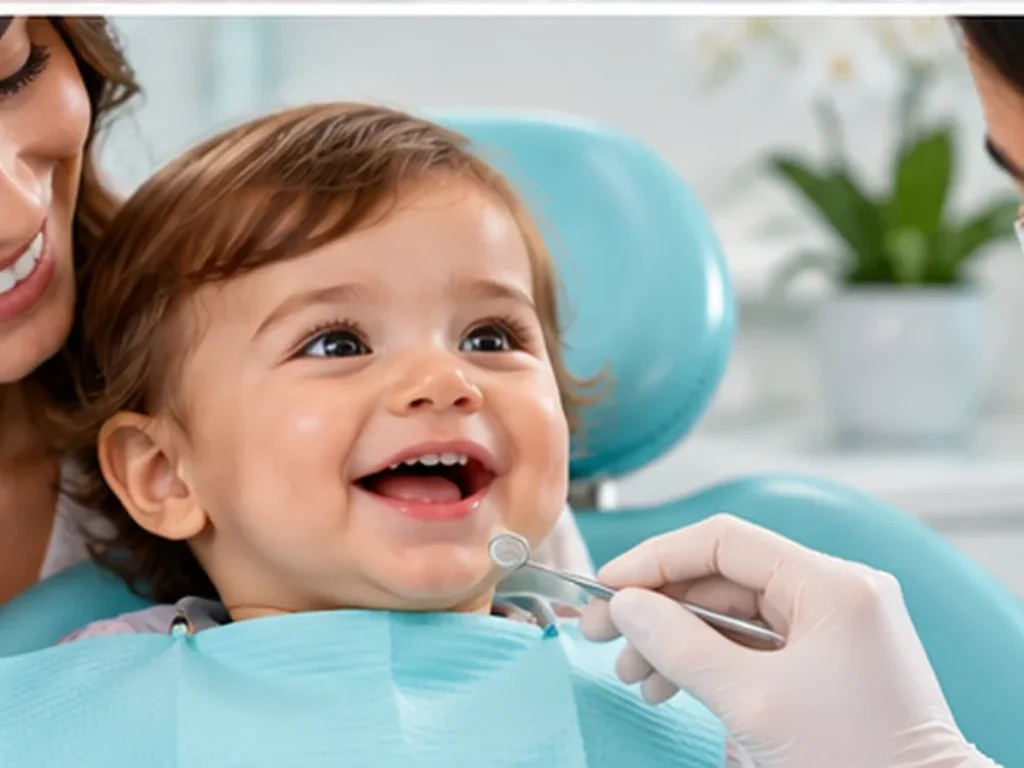
A first dental visit introduces a child to professional oral healthcare and allows the dentist to assess early dental development. Guidance commonly recommends arranging this appointment when the first tooth appears or by the child’s first birthday. The visit may include examining the mouth, discussing feeding habits, reviewing brushing routines and answering parents’ questions. The approach should be appropriate to the child’s age and comfort. Early appointments can help identify potential problems and establish a preventive routine before symptoms develop. Follow-up intervals depend on individual oral health needs.
5. Early Childhood Caries in Dubai
Early childhood caries refers to tooth decay affecting young children, particularly those under six years of age. It develops when bacteria in dental plaque produce acids from sugars, gradually damaging tooth enamel. Frequent exposure to sugary drinks or foods, inadequate cleaning and other factors can increase risk. Decay in baby teeth may cause pain, infection or difficulty eating if left untreated. Prevention includes appropriate brushing with fluoride toothpaste, dietary guidance and regular dental assessments. Treatment depends on the extent of the decay and the child’s individual circumstances.
6. Dental Plaque in Children in Dubai
Dental plaque in children is a soft bacterial film that continually forms on teeth and along the gumline. When plaque bacteria interact with sugars from food and drinks, they produce acids that can contribute to tooth decay. Plaque accumulation may also irritate the gums. Effective daily brushing helps remove this film before it causes problems. Younger children generally need an adult to brush their teeth, while older children may still require supervision. A dentist can demonstrate suitable cleaning techniques and explain whether additional preventive measures are appropriate.
7. Fluoride Varnish in Dubai
Fluoride varnish is a concentrated fluoride preparation applied to tooth surfaces by a dental professional. It is used to help strengthen enamel and reduce the risk of tooth decay in children who may benefit from additional protection. The dentist evaluates age, caries risk and other fluoride exposure before recommending its use. Application is generally brief, but instructions after treatment may vary according to the product. Fluoride varnish complements rather than replaces brushing with appropriate fluoride toothpaste, a balanced diet and regular dental examinations.
8. Pit and Fissure Sealants in Dubai
Pit and fissure sealants are thin protective coatings placed on the grooves of selected teeth, particularly molars. These grooves can retain food and plaque because they are difficult to clean thoroughly with a toothbrush. A sealant creates a smoother barrier that helps reduce the likelihood of decay developing in susceptible areas. The dentist assesses whether the tooth is suitable and checks the sealant during future appointments. Sealants may require maintenance or replacement over time. They work alongside regular brushing, fluoride exposure and healthy dietary habits.
9. Dental Caries Risk Assessment in Dubai
A dental caries risk assessment estimates how likely a child is to develop new tooth decay. The dentist considers factors such as previous cavities, brushing habits, dietary patterns, fluoride exposure and the condition of the teeth. Risk can change as children grow and their routines evolve. The assessment helps guide recommendations for preventive care, professional reviews and home hygiene. It does not predict with certainty whether a cavity will occur. Instead, it provides a structured way to identify contributing factors and plan appropriate prevention.
10. Pulpotomy in Primary Teeth in Dubai
A pulpotomy in primary teeth is a procedure used in selected baby teeth when decay or injury has affected the pulp tissue inside the crown. The dentist removes the affected coronal pulp while aiming to preserve healthy tissue in the roots. The remaining tissue is assessed and treated according to the clinical findings. This approach is not appropriate for every damaged tooth, particularly when infection or irreversible changes extend further. The tooth may require a protective restoration afterward. Clinical and radiographic assessment helps determine whether the procedure is suitable.
11. Pulpectomy in Primary Teeth in Dubai
A pulpectomy in primary teeth is a dental procedure that involves removing pulp tissue from both the crown and root canals of a baby tooth. It may be considered when the pulp is irreversibly damaged or infected but the tooth can still be preserved. The dentist cleans the canals and fills them with a material selected for primary teeth. The decision depends on the condition of the roots, surrounding tissues and developing permanent tooth. A pulpectomy is different from a pulpotomy because it involves the entire pulp system. Follow-up examinations help monitor healing and the tooth’s condition.
12. Stainless Steel Crowns for Children in Dubai
Stainless steel crowns for children are prefabricated metal restorations used to cover selected primary teeth that require extensive protection. They may be recommended when a baby molar has substantial decay, has undergone certain pulp treatments or cannot be restored predictably with a conventional filling. The crown covers the visible portion of the tooth and helps restore its function. Although durable, stainless steel crowns have a metallic appearance and are not suitable for every situation. The dentist evaluates the tooth, bite and remaining structure before recommending treatment. The restored tooth generally remains in place until its natural replacement.
13. Space Maintainers for Children in Dubai
Space maintainers for children are dental appliances designed to preserve a gap when a primary tooth is lost earlier than expected. Baby teeth help guide the eruption of permanent teeth, and premature tooth loss can sometimes allow neighbouring teeth to move into the available space. A space maintainer may reduce this risk in selected cases. Different fixed and removable designs exist, depending on the location of the missing tooth and the child’s development. Not every early tooth loss requires an appliance. The dentist assesses eruption timing, bite relationships and oral hygiene before recommending one.
14. Premature Loss of Baby Teeth in Dubai
Premature loss of baby teeth occurs when a primary tooth is lost before its expected natural replacement. Possible causes include advanced decay, dental trauma or extraction for clinical reasons. Early tooth loss may affect chewing, comfort and the space available for an emerging permanent tooth. However, its consequences depend on which tooth is missing and the child’s stage of development. The dentist examines the surrounding teeth and may use radiographs when clinically indicated. Some children need monitoring alone, while others may benefit from a space maintainer or additional treatment.
15. Dental Trauma in Children in Dubai
Dental trauma in children refers to injuries affecting the teeth, gums or surrounding oral structures. These injuries may occur during falls, sports or other accidents and can involve fractures, displacement or complete tooth loss. Management depends on whether the injured tooth is primary or permanent, as the recommended approach differs significantly. A knocked-out baby tooth should not be replanted because doing so may harm the developing permanent tooth. Injuries involving permanent teeth may require urgent treatment. Prompt dental assessment helps determine the extent of damage and whether follow-up monitoring is necessary.
16. Dental Avulsion in Children in Dubai
Dental avulsion in children occurs when a tooth is completely displaced from its socket following an injury. The distinction between a primary and permanent tooth is essential. A knocked-out primary tooth should not be replanted, while an avulsed permanent tooth requires immediate professional attention and may be suitable for replantation. If a permanent tooth cannot be replanted immediately, appropriate storage can help preserve its supporting cells. Parents should seek emergency dental advice without delay. The dentist evaluates the injury, surrounding tissues and developing teeth before deciding on treatment and follow-up.
17. Molar Incisor Hypomineralisation in Dubai
Molar incisor hypomineralisation, often abbreviated to MIH, is a developmental condition affecting enamel quality, particularly in the first permanent molars and sometimes the incisors. Affected teeth may show white, cream, yellow or brown areas and can be more sensitive or vulnerable to breakdown. The condition develops while enamel is forming, rather than being caused by inadequate brushing after eruption. Its severity varies between teeth and children. A dentist assesses the enamel, sensitivity and risk of further damage before recommending preventive measures or restorations. Early identification can help guide appropriate monitoring and care.
18. Enamel Hypoplasia in Children in Dubai
Enamel hypoplasia in children is a developmental condition in which less enamel forms than expected on part or all of a tooth. It may appear as grooves, pits or areas where the enamel is unusually thin. The condition differs from enamel hypomineralisation, which primarily affects enamel quality rather than quantity. Possible contributing factors occur during tooth development and require individual assessment. Depending on severity, affected teeth may be more vulnerable to sensitivity, wear or decay. Dental management focuses on protecting tooth structure, maintaining oral health and addressing functional or aesthetic concerns when necessary.
19. Habit-Breaking Appliances in Dubai
Habit-breaking appliances are orthodontic devices sometimes considered when persistent oral habits affect dental development. Examples of habits that may require assessment include prolonged thumb sucking or other repetitive behaviours involving the mouth. Many childhood habits resolve naturally, so an appliance is not automatically necessary. The dentist considers the child’s age, motivation, habit frequency and any changes in tooth position or bite relationships. Behavioural guidance and supportive strategies may be appropriate before appliance treatment. When a device is considered, its purpose, limitations and possible effects should be discussed with the child and parents.
20. Dental Anxiety in Children in Dubai
Dental anxiety in children describes fear or distress associated with dental appointments, examinations or treatment. It may be influenced by unfamiliar surroundings, previous experiences, sensory sensitivities or concerns about discomfort. Anxiety can affect a child’s willingness to cooperate, making communication and age-appropriate preparation important. Dental teams may use explanations, demonstrations and gradual familiarisation to help children understand what will happen. The most suitable approach depends on the child’s developmental stage and individual needs. Parents can support the process by using calm, neutral language and avoiding unnecessary descriptions that may increase fear.