A first dental visit for babies is an important opportunity to assess early oral development and establish preventive habits before dental problems arise. At Dental Studio in Dubai, pediatric dentistry focuses on supporting children’s oral health through age-appropriate examinations, guidance and preventive care. Parents often wonder whether an appointment is necessary when their baby has only one or two teeth. Understanding the recommended timing, what happens during the examination and how to prepare can make the experience more comfortable and informative for the whole family.

When Should a Baby Have Their First Dental Appointment?
Professional guidance commonly recommends scheduling a baby’s first dental appointment when the first tooth appears or by the first birthday, whichever comes first. This timing allows the dentist to assess early tooth eruption and discuss oral hygiene before cavities or other concerns develop. Waiting until a child has a complete set of baby teeth may mean missing an opportunity for early preventive advice.
The first dental visit is not necessarily a treatment appointment. In many cases, its primary purpose is to examine the mouth, understand the child’s feeding and cleaning routines, and answer parents’ questions. The dentist can also identify whether a particular concern requires monitoring or further assessment.
What Happens During the First Dental Visit for Babies?
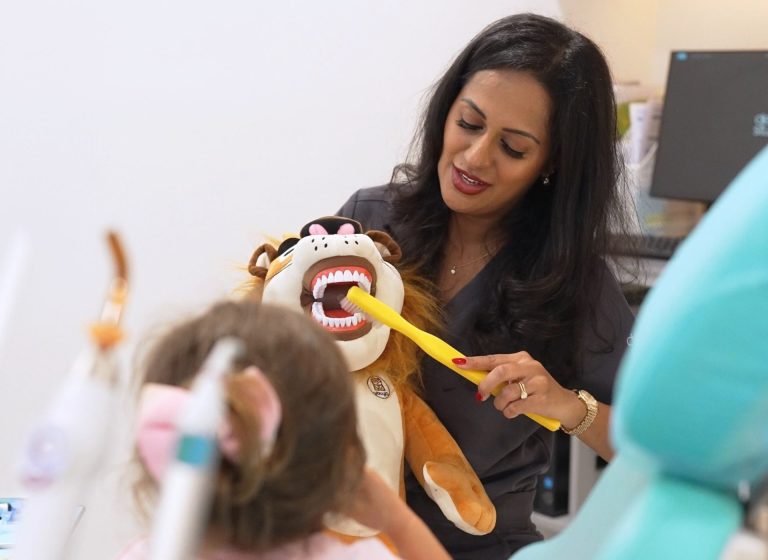
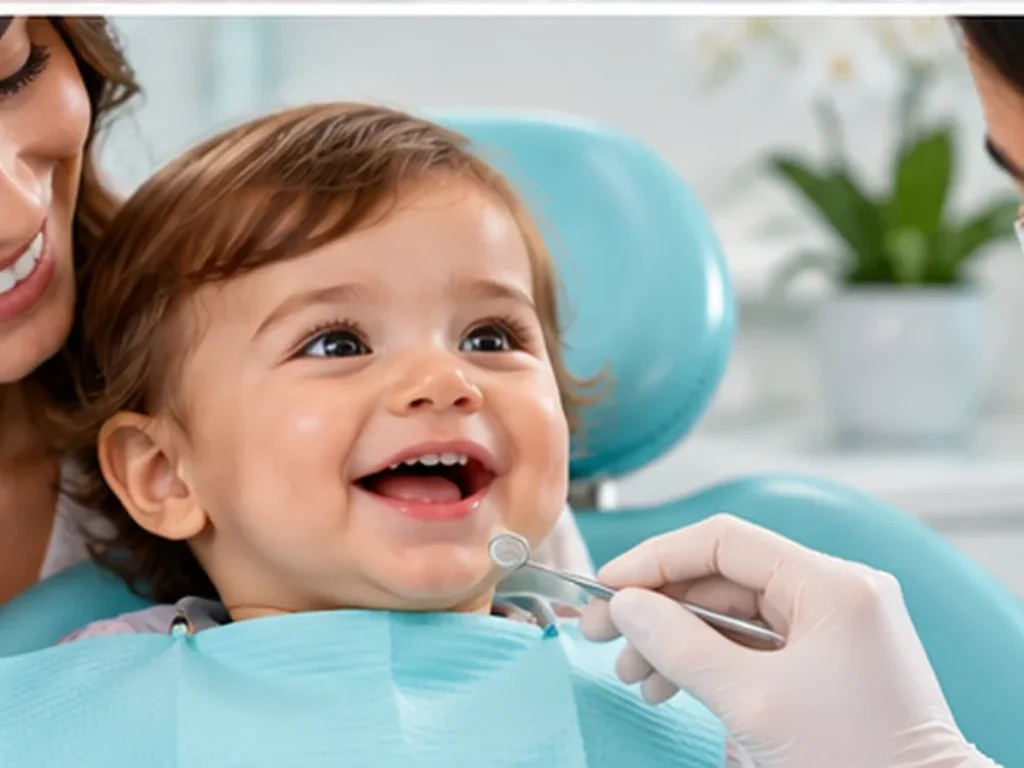
The examination is usually adapted to the baby’s age and ability to cooperate. The dentist may assess the gums, emerging teeth, oral tissues and early bite development. Parents are often involved throughout the appointment, helping the child feel secure while the clinician explains each stage.
The dentist may also discuss primary teeth and their importance for chewing, speech and future dental development. Although these teeth will eventually be replaced, they still require appropriate care. The appointment provides an opportunity to discuss brushing techniques, suitable toothpaste quantities and the role of regular professional reviews.
Why Is Early Dental Care Important Before Problems Appear?
One of the main objectives of early pediatric dental care is preventing tooth decay. Early childhood caries can affect very young children and may progress if contributing factors are not addressed. Frequent sugar exposure, inadequate plaque removal and individual susceptibility can all influence the risk of cavities.
A dentist can perform a dental caries risk assessment to understand the factors relevant to each child. This assessment considers feeding patterns, oral hygiene, previous dental findings and fluoride exposure. The information helps guide preventive recommendations and determine an appropriate interval between examinations.
How Can Parents Prepare Their Baby for the Appointment?
Preparation can begin at home through simple, positive routines. Parents can gently clean their baby’s gums before teeth emerge and introduce toothbrushing as soon as the first tooth appears. Using a small, soft toothbrush and an age-appropriate amount of fluoride toothpaste helps establish daily care. Young children need direct adult assistance with brushing.
Practical steps may also help make the appointment easier:
- Choose a suitable time: Consider the baby’s usual sleep and feeding schedule when arranging the visit.
- Bring relevant information: Share medical history, current medications and any concerns about feeding or dental development.
- Keep expectations flexible: A young child may need time to become familiar with the surroundings.
- Use reassuring language: Describe the appointment simply without suggesting that discomfort is inevitable.
The dentist can adapt the examination to the child’s response. A successful early appointment is not defined by completing every possible procedure, but by gathering useful information and establishing an appropriate approach to future care.
How Should Parents Care for Their Baby’s First Teeth?
Daily oral hygiene should begin as soon as the first tooth becomes visible. Parents should brush twice a day using a soft, age-appropriate toothbrush and a smear of fluoride toothpaste containing approximately 1,000 ppm fluoride for children under three, unless the dentist recommends otherwise. The amount used is important because young children cannot reliably spit out toothpaste.
Effective brushing helps control dental plaque in children, a bacterial film that can contribute to tooth decay. Parents should also consider how frequently their child consumes sugary foods and drinks. Water is generally the preferred drink between meals, while prolonged exposure to sweetened liquids can increase the risk of cavities. Dental professionals can provide guidance suited to the child’s age and individual needs.
Can Preventive Treatments Help Protect Baby Teeth?
Some children may benefit from additional preventive measures beyond daily brushing. Fluoride varnish is a professionally applied preparation that can help strengthen enamel and reduce the risk of tooth decay. Whether it is appropriate depends on the child’s age, dental findings, caries risk and overall fluoride exposure.
As children grow, dentists may also consider pit and fissure sealants for susceptible molars. These protective coatings help reduce plaque accumulation in deep grooves that are difficult to clean. Such measures complement rather than replace routine hygiene and dietary guidance. Broader recommendations on prevention and children’s oral health can also be explored through the Italian Ministry of Health.
What If a Baby Becomes Upset During the Dental Examination?
It is normal for some babies and toddlers to feel uncertain in an unfamiliar environment. Crying, turning away or refusing to open the mouth does not necessarily indicate a lasting problem. Dental professionals can adapt their communication and examination techniques to the child’s developmental stage, while parents provide reassurance and familiar support.
Early appointments can also help identify factors associated with dental anxiety in children. A gradual approach, clear explanations and positive experiences may improve familiarity with dental care over time. When an examination cannot be completed comfortably, the dentist can decide whether to adjust the approach or arrange further assessment. The child’s safety and clinical needs remain the priorities.
First Dental Visit for Babies: What Should Parents Remember?
A first dental visit for babies provides an opportunity to monitor early tooth development, discuss preventive habits and identify concerns before they become more complicated. Scheduling an appointment when the first tooth appears or by the first birthday supports a proactive approach to children’s oral health.
Parents can prepare by establishing gentle brushing routines, considering feeding habits and sharing relevant information with the dentist. At Dental Studio, pediatric dental care includes evaluating individual needs and helping families understand how to support healthy dental development throughout childhood.
Our Clinics in Dubai:
– Al Wasl: Villa 16/1194, Al Wasl Road, Umm Suqeim 2, Dubai
– Science Park: 4th Floor, South Tower, Dubai Science Park, Dubai
– JBR The Walk: Unit 8, Al Fattan Marine Towers, The Walk, Jumeirah Beach Residence, Dubai
– Jumeirah Beach Road: Villa 469B, Jumeirah Beach Road, Dubai
– Marina Gate: R-301, Jumeirah Living Marina Gate, Dubai Marina
– Tecom Barsha Heights: Suite 102, 1st Floor, Cayan Business Center, Barsha Heights, Dubai
– Umm Al Sheif: Villa 61, Umm Al Sheif Road, Dubai
– Jumeirah Park: Shop # GF-12, Pavilion Jumeirah Park East by Dubai Retail