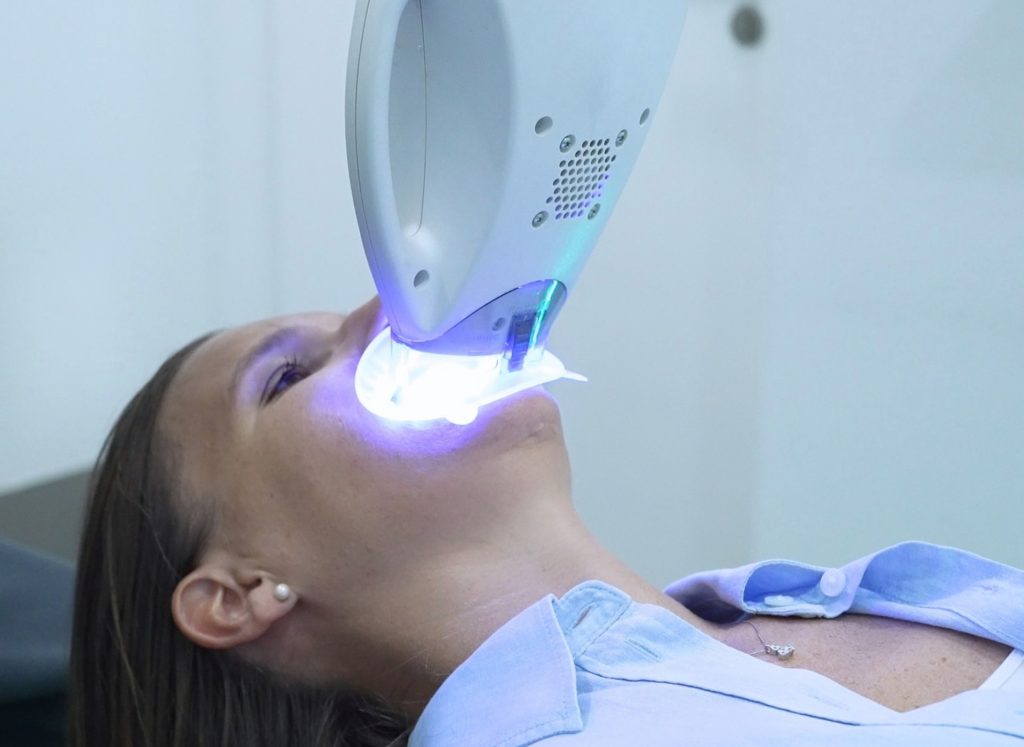
Many expectant mothers wonder whether teeth whitening during pregnancy is safe, particularly if they notice changes in their smile or have previously undergone cosmetic dental treatments. Although professional teeth whitening is commonly used to improve tooth colour, pregnancy requires additional consideration before undergoing elective procedures. At Dental Studio in Dubai, dental care is guided by individual health needs, careful assessment and patient safety. Understanding why whitening is generally postponed, what the potential concerns are and which alternatives are available can help expectant mothers make informed decisions about their oral health.
Is Teeth Whitening During Pregnancy Safe?
Professional teeth whitening involves applying bleaching agents, usually containing hydrogen peroxide or carbamide peroxide, to lighten the natural colour of teeth. These substances work by breaking down compounds responsible for tooth discolouration. Although professional whitening is generally considered suitable for many adults with healthy teeth and gums, its safety during pregnancy has not been adequately established.
There is insufficient clinical research examining the effects of dental bleaching agents on pregnant patients and developing babies. This does not mean that whitening has been proven harmful during pregnancy. Rather, the available evidence is not sufficient to establish its safety. Because whitening is an elective cosmetic procedure, dental professionals generally recommend postponing it until after pregnancy.
Why Is Teeth Whitening Not Recommended During Pregnancy?
The main reason for avoiding teeth whitening during pregnancy is the lack of reliable safety data, rather than evidence of a specific harmful effect on the baby. Whitening products contain active ingredients that interact with tooth surfaces and may occasionally come into contact with the surrounding gums. Their use can also cause temporary tooth sensitivity or irritation of the soft tissues.
Pregnancy introduces additional physiological changes that can influence oral health. Hormonal fluctuations may make gum tissues more sensitive and increase their inflammatory response to bacterial plaque. Consequently, procedures that could irritate the gums deserve particular consideration. Postponing non-essential cosmetic treatment allows dental care to focus on maintaining healthy teeth and gums throughout pregnancy.
Can You Whiten Your Teeth During the First Trimester?
The first trimester is an important period of fetal development, and many expectant mothers are especially cautious about medications and elective treatments during these early months. Since there is insufficient evidence confirming the safety of whitening agents in pregnancy, professional bleaching is generally discouraged during the first trimester.
However, this precaution is not limited to early pregnancy. There is no established stage at which cosmetic teeth whitening becomes demonstrably safe for pregnant patients. Although some dental procedures can be performed during the second or third trimester when clinically appropriate, elective whitening is generally best postponed throughout pregnancy. Patients should always inform their dentist if they are pregnant or believe they might be pregnant.
Are Whitening Strips and Home Whitening Kits Safe During Pregnancy?
Some patients assume that products available without a prescription are safer than professional treatments because they contain lower concentrations of whitening ingredients. However, over-the-counter whitening strips, gels and home bleaching kits are not automatically suitable during pregnancy. Their safety has not been adequately established for expectant mothers.
Products used without professional supervision may also increase the likelihood of gum irritation, tooth sensitivity or inappropriate application. Natural remedies are not necessarily safer alternatives. For example, acidic substances and abrasive powders can damage enamel without providing predictable whitening results.
During pregnancy, it is advisable to avoid:
- Whitening strips and bleaching gels used without professional guidance.
- Home whitening trays, including previously prescribed systems, unless their use has been reviewed by a dentist.
- Abrasive or acidic whitening remedies, which may damage enamel or irritate the gums.
- Unregulated whitening products marketed as natural or suitable for everyone.
The safest approach is to postpone bleaching treatments rather than experiment with alternative whitening methods.
Can You Have Your Teeth Professionally Cleaned While Pregnant?
Professional dental cleaning and cosmetic teeth whitening are different procedures. Whitening changes the natural colour of teeth through bleaching agents, whereas professional cleaning removes plaque, tartar and certain surface stains. Routine dental examinations and appropriate professional cleaning are generally considered safe during pregnancy and can play an important role in maintaining oral health.
Hormonal changes may increase susceptibility to pregnancy gingivitis, a condition associated with swollen, red or bleeding gums. Professional hygiene appointments can help manage plaque accumulation and identify inflammation before it progresses. Cleaning may also improve the appearance of teeth by removing external stains, although it does not produce the same colour changes as bleaching.
How Can You Keep Your Teeth Looking Brighter During Pregnancy?
Even when whitening is postponed, expectant mothers can maintain their smiles through consistent oral hygiene and preventive care. Brushing twice daily with fluoride toothpaste, cleaning between the teeth and attending appropriate dental appointments help reduce plaque accumulation and prevent new surface stains.
Dietary habits also influence tooth colour. Coffee, tea and strongly pigmented foods may contribute to staining over time, although pregnant patients should follow their healthcare professional’s advice regarding nutrition and caffeine intake. If morning sickness causes vomiting, rinsing with water afterwards can help reduce acidity in the mouth. Avoid brushing immediately after vomiting, as stomach acid temporarily softens the enamel surface.
Practical measures include:
- Using a soft-bristled toothbrush and fluoride toothpaste.
- Cleaning between the teeth daily.
- Rinsing with water after acidic foods or vomiting.
- Maintaining regular dental assessments and professional hygiene appointments.
These habits support oral health without requiring bleaching products.
What If You Had Teeth Whitening Before Knowing You Were Pregnant?
Discovering a pregnancy after undergoing teeth whitening can understandably cause concern. However, having received whitening treatment does not automatically mean that harm has occurred. The recommendation to avoid bleaching during pregnancy is primarily precautionary because reliable safety information is limited.
If whitening was performed shortly before pregnancy was confirmed, patients should inform their dentist and the healthcare professional overseeing their pregnancy. They can review the treatment used, its timing and any symptoms that occurred. Further whitening sessions should generally be postponed, and patients should avoid attempting to reverse or counteract the treatment with additional products.
When Can You Have Teeth Whitening After Pregnancy?
For patients considering cosmetic treatment after childbirth, timing should be discussed individually with a dental professional. Teeth whitening is generally not recommended during breastfeeding either, because evidence regarding the safety of bleaching agents during this period remains limited.
Once pregnancy and breastfeeding have ended, a dental assessment can help determine whether whitening is appropriate. The dentist will examine tooth enamel, gum health, sensitivity and existing restorations before recommending a suitable approach. At Dental Studio, whitening options include professionally supervised in-clinic and at-home treatments, selected according to the patient’s individual oral health and aesthetic goals.
Teeth Whitening During Pregnancy: Why Waiting Is Recommended
Teeth whitening during pregnancy is generally discouraged because there is insufficient scientific evidence establishing the safety of bleaching agents for expectant mothers. Although this does not mean that whitening has been proven harmful, postponing an elective cosmetic procedure is a sensible precaution. Routine dental examinations, professional cleaning when appropriate and consistent oral hygiene remain important throughout pregnancy.
At Dental Studio, dental care is based on individual assessment, prevention and informed treatment decisions. For expectant mothers, prioritising healthy teeth and gums provides a sound foundation for considering cosmetic whitening after pregnancy and breastfeeding.
Our Clinics in Dubai:
– Al Wasl: Villa 16/1194, Al Wasl Road, Umm Suqeim 2, Dubai
– Science Park: 4th Floor, South Tower, Dubai Science Park, Dubai
– JBR The Walk: Unit 8, Al Fattan Marine Towers, The Walk, Jumeirah Beach Residence, Dubai
– Jumeirah Beach Road: Villa 469B, Jumeirah Beach Road, Dubai
– Marina Gate: R-301, Jumeirah Living Marina Gate, Dubai Marina
– Tecom Barsha Heights: Suite 102, 1st Floor, Cayan Business Center, Barsha Heights, Dubai
– Umm Al Sheif: Villa 61, Umm Al Sheif Road, Dubai
– Jumeirah Park: Shop # GF-12, Pavilion Jumeirah Park East by Dubai Retail